SERVICES
SYSTEM
REPLACEMENT
Full furnace and AC swaps for equipment that's past worth fixing.
Full furnace and AC swaps for equipment that's past worth fixing.
There's a point where another repair stops making sense — where the part costs more than the unit is worth, or the system is old enough that fixing this failure just means waiting for the next one. We'll tell you when you've reached it. We'll also tell you when you haven't.
That second part matters more. Plenty of people get sold a system on a call that should have ended with a small repair.
The honest version is a few questions. How old is it — a furnace at twelve is mid-life, at twenty-two it's borrowed time. What does this repair cost against what a replacement costs. Is this the first failure, or the third in two years.
And is the part that failed a wear item or the expensive core? A cracked heat exchanger or a leaking evaporator coil is a genuinely different conversation from a capacitor. If the numbers say repair, we repair it — we'd rather do the small job today and the big one when it's actually due than sell you five years early and have you remember it.
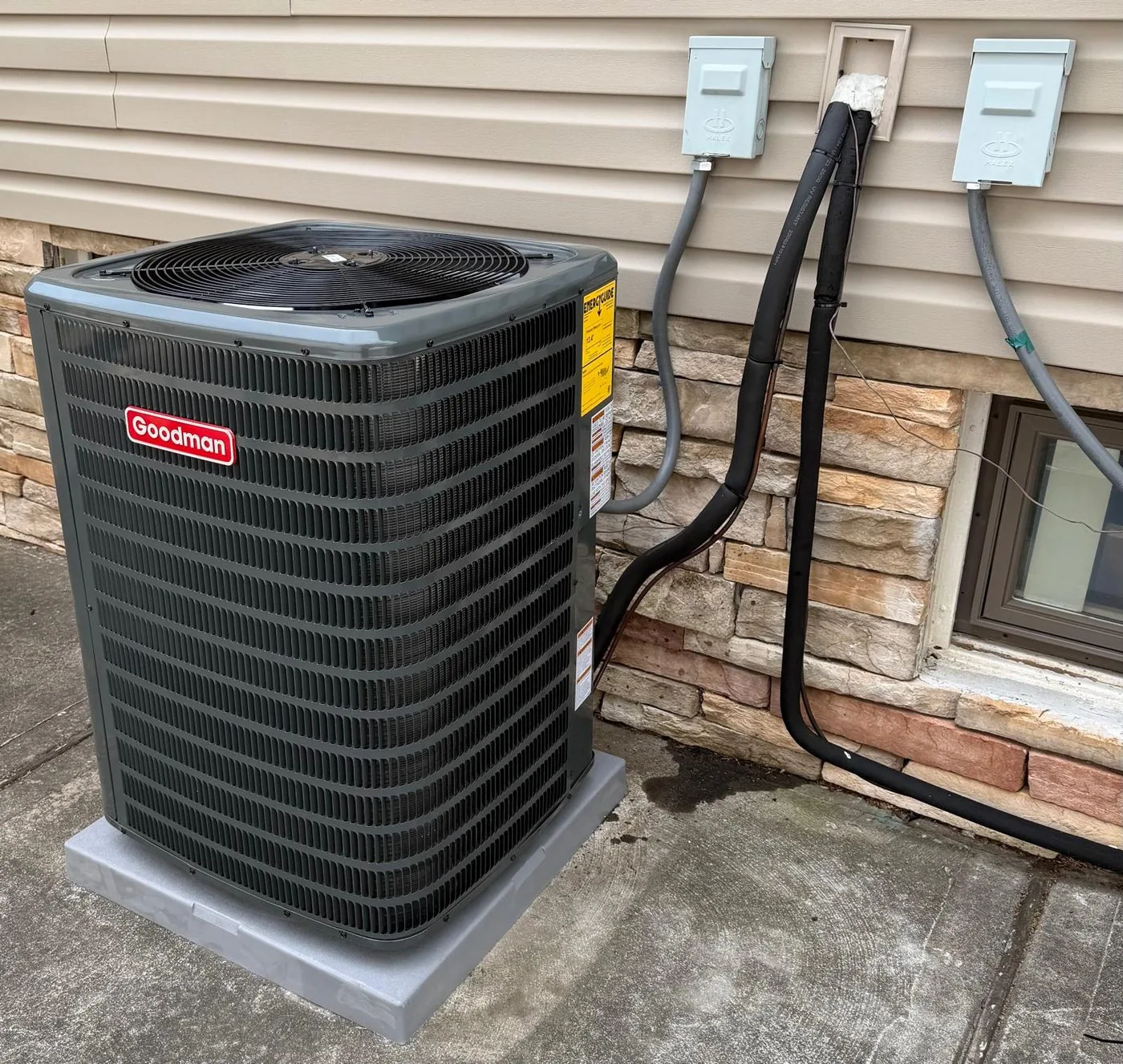
The old equipment comes out and leaves with us, disposed of properly — refrigerant recovered rather than vented, which is both the law and the right thing.
The new equipment gets sized to the space, not matched to the old unit's badge. This is the step worth insisting on: if the previous system was oversized, copying it hands you a house that's cold and clammy in July and equipment that short cycles itself to death.
Then the install is brought up to current code rather than reproducing whatever was there. In practice that usually means correcting the venting, adding a condensate safety switch, sorting out an undersized return, or replacing a disconnect that was never right. Permits get pulled and the work is done to pass inspection.
You get a written price before any work starts, after we've seen the actual space — not a number over the phone that changes once someone looks at the basement. It covers removal, equipment, install, and permits, and it doesn't move afterwards.
The best time to replace a system is before it fails, when you can plan it and choose. The worst is the coldest night of the year with no heat and no time to think. If yours is getting on and you'd rather know where you stand, ask — you'll get a straight answer about how much life is left in it.
None of these mean replace it tomorrow. Together they mean start planning. Repairs more than once a season. Parts getting harder to source, which starts happening once a model has been out of production a few years. Bills climbing while your usage hasn't.
Rooms that were always fine going uneven. A system running far longer than it used to for the same result. Refrigerant needing a top-up again — on an older system that leak is often not worth chasing.
And R-22, if you still have it. Systems running it are old by definition, and the refrigerant hasn't been produced or imported in the US since 2020. What's left is reclaimed and priced accordingly, so a significant leak on one of those usually ends the conversation.
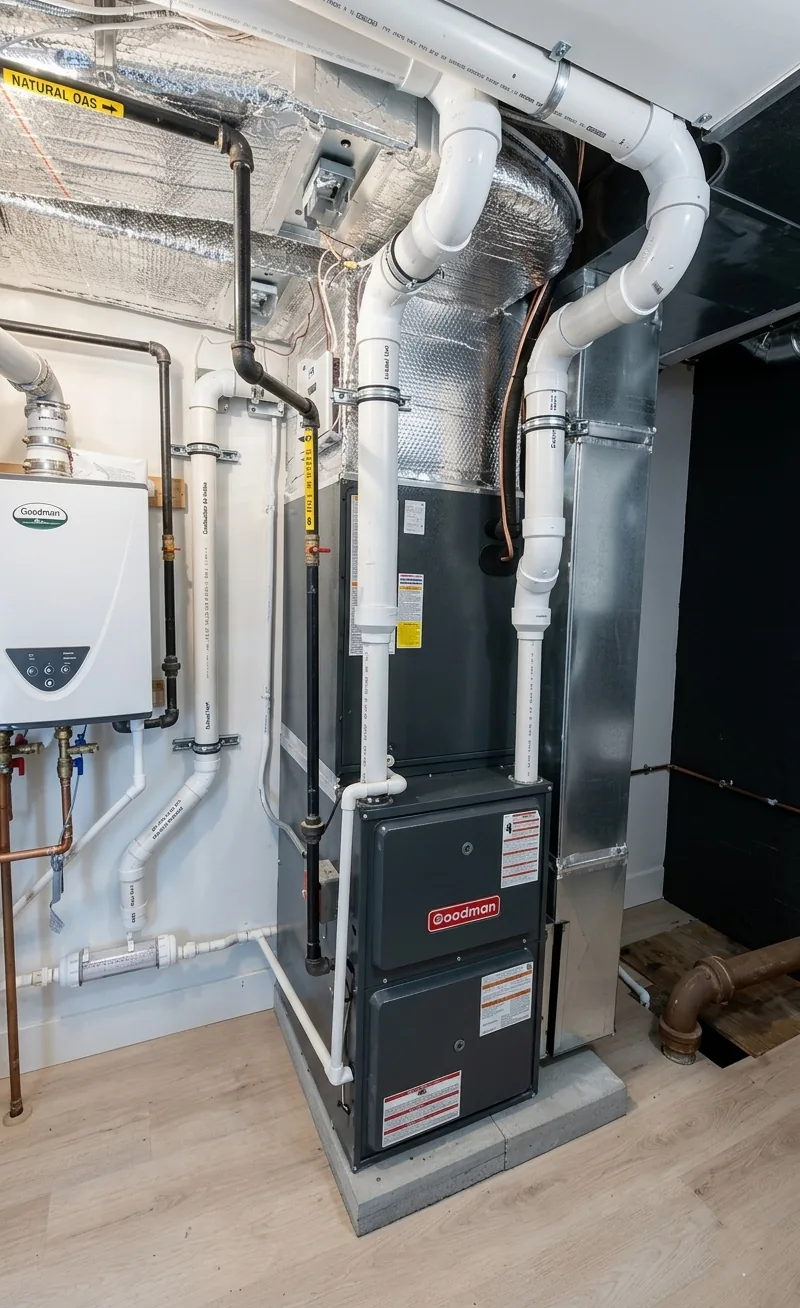
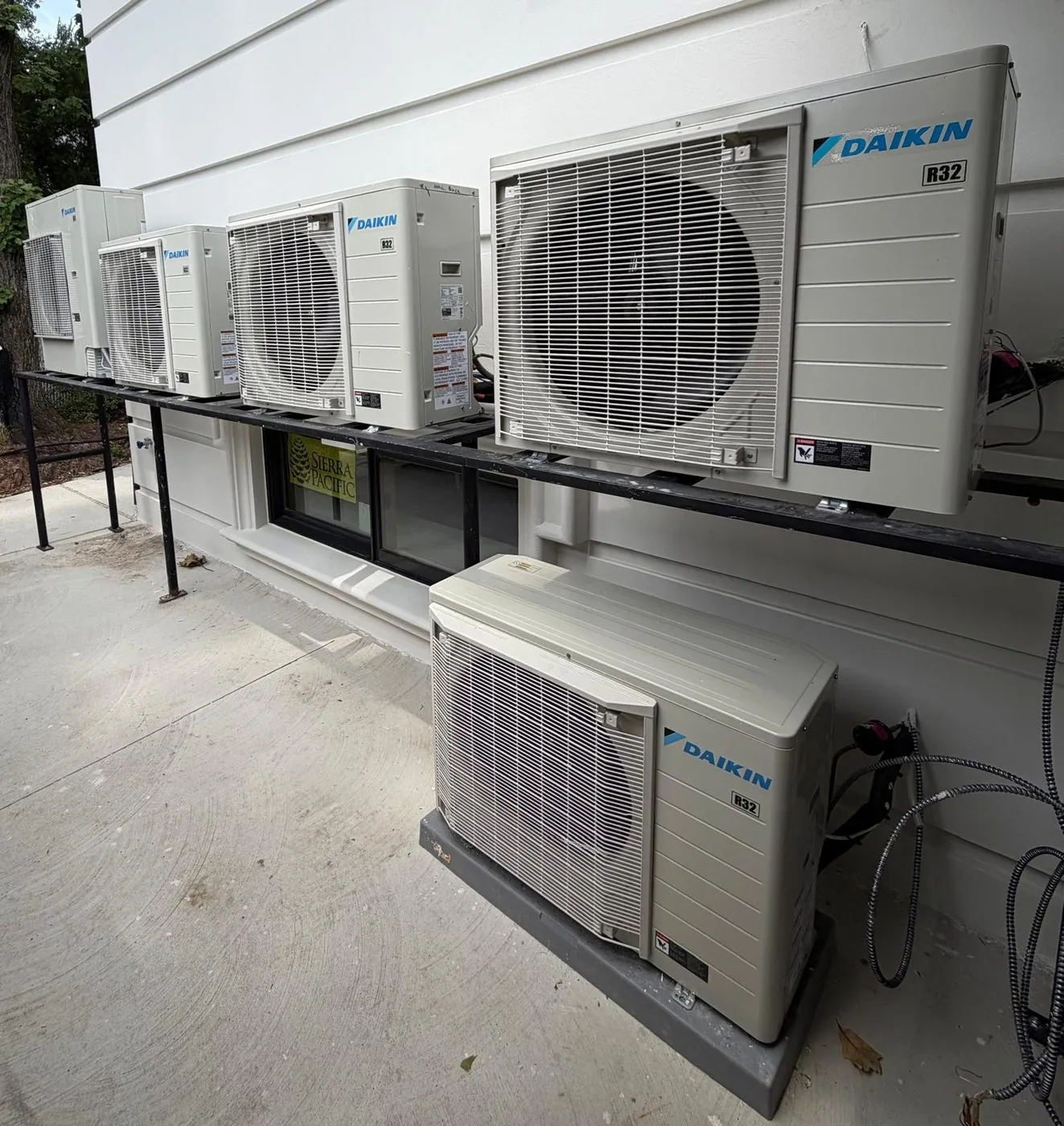
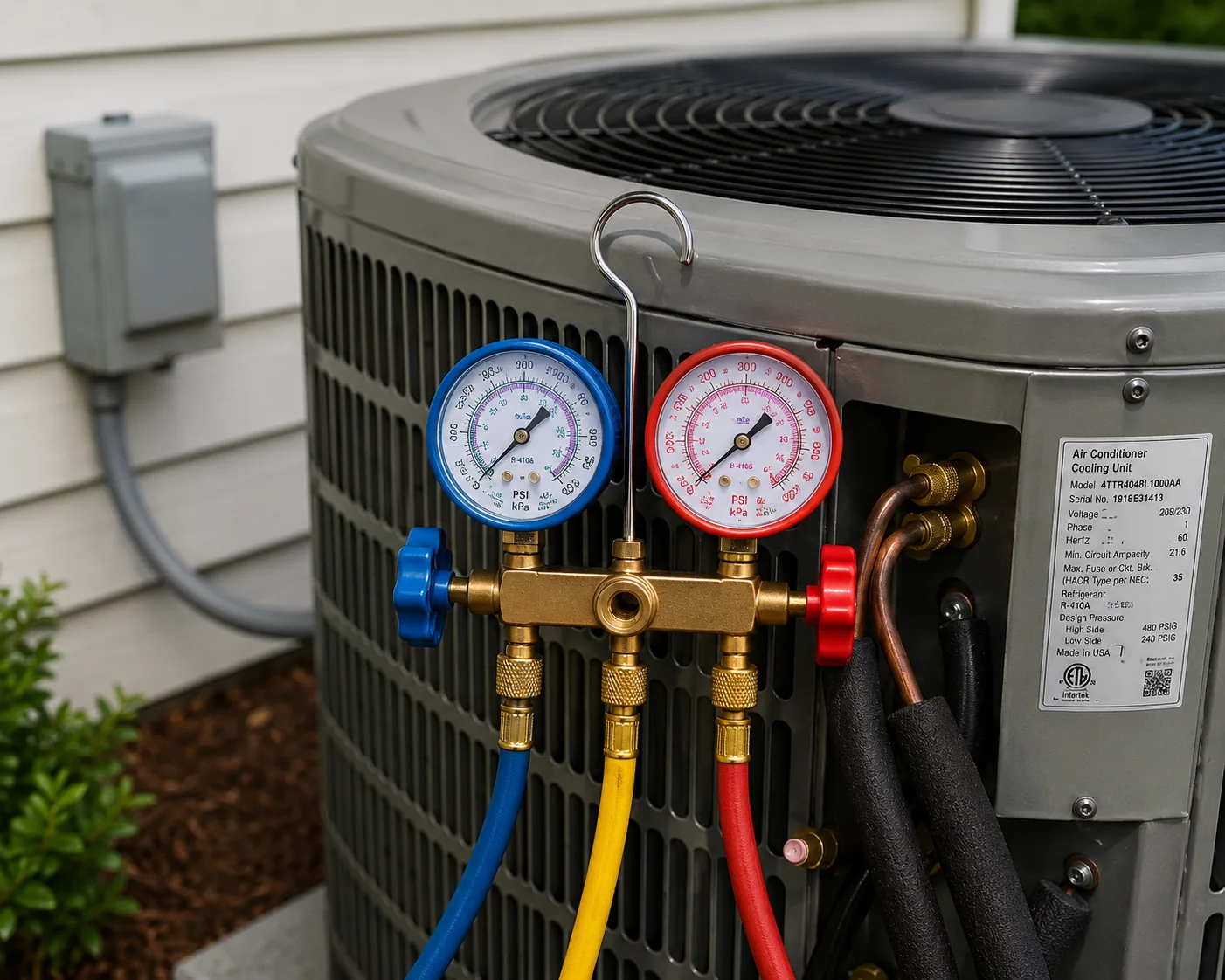
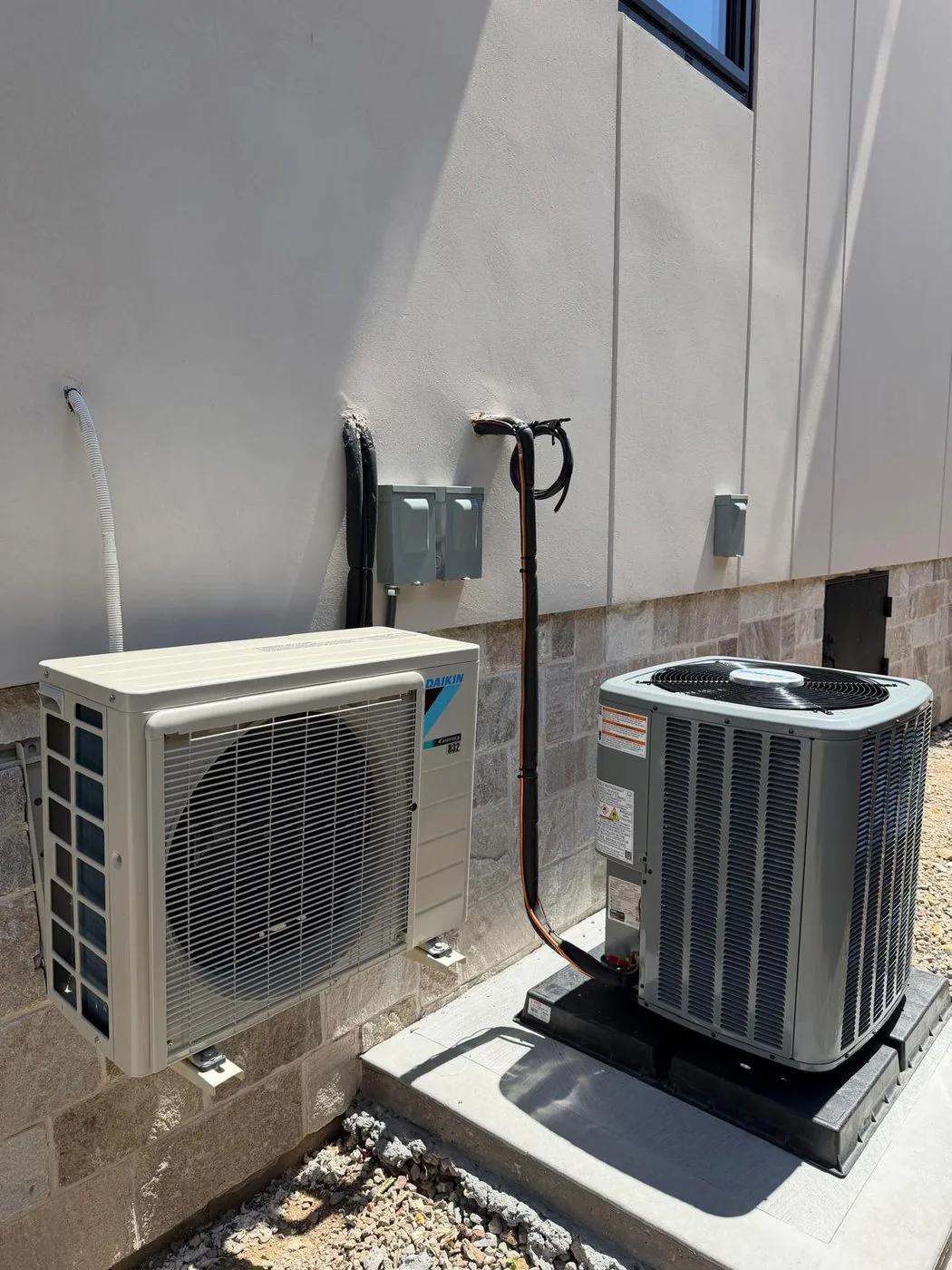
8 photos from real installs. Click any one to see it full size.
Tell us what your system is doing and we'll tell you what it needs — no obligation, no pressure.